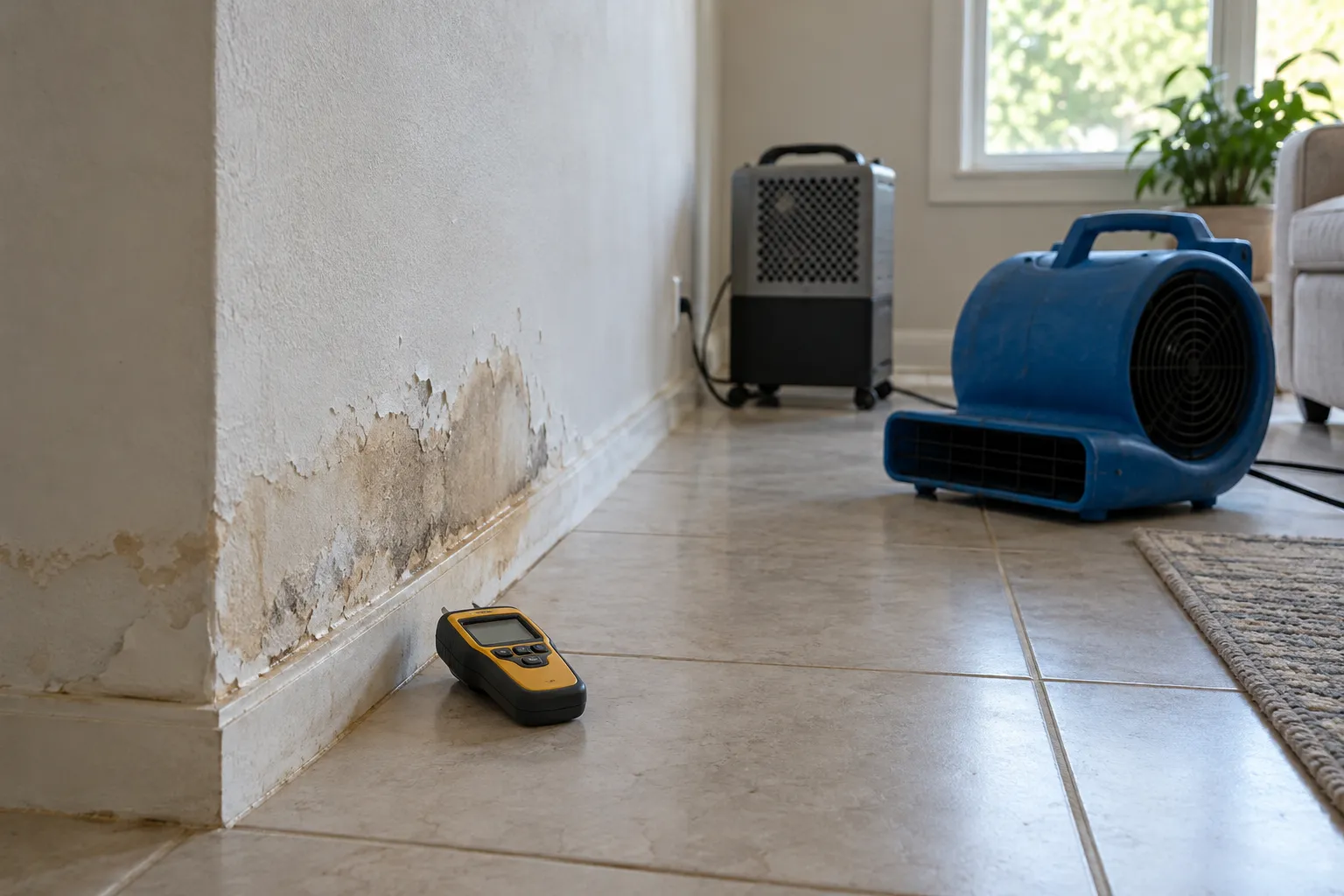
Water Damage Restoration Services in Pensacola
Water damage can start with a small change. Paint may bubble near a window. A floor may feel soft beside an appliance. A room may smell damp even after you wipe up the water. These signs do not show how far moisture has spread. Water damage restoration services help assess wet materials, remove standing water, and dry the parts of a home that can be saved. The provider decides what work the damage needs.
Possiblygrey Restoration is a referral service for homeowners in Pensacola and the Pensacola Bay area. We connect requests with independent providers in our network. A local provider checks the damage, explains the proposed work, and sets the price and schedule. You can describe what changed without knowing the cause. Share where you first saw water, whether it is still coming in, and which rooms feel or smell different.
Check whether the room is safe
Standing water near outlets, cords, or appliances can pose a shock risk. Stay out of that area. Do not walk through water to reach a breaker panel. A sagging ceiling can also make a room unsafe. Keep people and pets away until the risk has been checked. If you can reach a known water shutoff from a dry, safe spot, closing it may limit a plumbing leak.
Get help with new water damage
Request a callback to check provider availability for water damage restoration services in Pensacola. Tell the provider if water is still entering, a ceiling is bulging, or several rooms are wet. If you are searching for emergency water damage repair, describe the current conditions first. Possiblygrey Restoration makes referrals. The provider decides whether it can take the job and tells you its schedule. Ask what you should leave untouched while you wait.
Notice more than the puddle
A stain may be the first clue, even when no water is on the floor. Look for peeling paint, swollen trim, curled flooring, or a damp smell that keeps returning. Note which room changed and when you noticed it. A phone photo can help you explain the issue. Avoid pressing a soft ceiling or pulling apart wet walls. A provider can check what lies beyond the visible patch.
Why a dry surface can mislead
Water can move beneath flooring and into wall cavities. The surface may feel dry while material below it stays wet. That moisture can damage finishes and support mold growth. High humidity can make drying harder, especially during warm, stormy months. Household fans may move air without reaching trapped moisture. Ask the provider how it will check the depth and spread of the wet area before choosing a drying plan.
Find where the water began
Drying works better when the source has been addressed. Common sources include supply pipes, appliance hoses, roof leaks, and rain entering around windows. A new stain after a summer storm may point to a different problem than water beside a washing machine. Do not assume the cause from the stain alone. Ask whether the provider can find the source or whether another trade needs to fix it before drying can hold.
Explain what the water touched
A pipe leak, water from outdoors, and a drain backup need different handling. Even water from a clean source can pick up dirt as it spreads. Tell the provider about any odor, debris, or possible sewage. Keep clear of water whose source is unknown. Avoid moving wet items through dry rooms. The provider should explain which materials can be cleaned and which may need removal based on the conditions found.
Remove water that can be reached
Water extraction means using pumps or suction tools to remove standing water and moisture from suitable materials. It often comes before the longer drying stage. The equipment depends on the amount of water, the floor type, and access to the room. Tile can look sound while water has reached gaps beneath it. Ask the provider where extraction is needed and what checks will follow once visible water is gone.
Dry the parts you cannot see
Structural drying means drying building parts such as walls, floors, and framing. A provider may use air movers and dehumidifiers, which pull moisture from the air. Moisture meters help check wet materials. In a concrete block home on a slab, the plan may need to account for damp flooring and wall finishes. Ask where equipment will sit, how progress will be measured, and whether you can use the affected rooms.
Ask before materials come out
Some wet materials may dry in place. Others may be too damaged or dirty to keep. Ask the provider to explain each proposed removal before work begins. Useful questions include whether flooring can stay, why a wall needs opening, and how nearby dry areas will be protected. Get clear terms for packing or moving belongings too. The written scope should show which work is included and which repairs need a separate quote.
Keep a record for insurance
Take photos from a safe spot and save receipts for expenses tied to the damage. Write down when you noticed the problem and what happened next. Some policies may cover sudden damage; check your policy. Providers can often help document damage for a claim. They cannot decide your coverage. Ask your insurer what records it needs and whether it wants to inspect anything before materials are removed or thrown away.
Read the quote before agreeing
Ask the provider for a written quote that names the wet areas, proposed work, equipment charges, and exclusions. Check how added damage would change the price. Ask about suitable licensing and insurance for the work involved, without assuming every job needs the same credentials. Possiblygrey Restoration does not perform restoration or set provider terms. Your work agreement is with the independent provider, so bring questions about payment and scheduling directly to it.
Know what marks the finish
A room looking dry is only part of the picture. Ask for the final moisture findings and an explanation of any remaining damage. Confirm who will replace removed materials and whether that work is in the quote. Keep the records for later repairs or a claim. Afterward, watch for returning stains, loose flooring, or a damp smell. A repeat sign is a reason to have the source and affected area checked again.
What's Included
Moisture checks
A provider checks affected materials to learn where moisture has spread beyond the stain or puddle you noticed.
Water extraction
Suitable pumps and suction tools remove standing water before the provider moves into the drying stage.
Building material drying
The provider selects drying equipment and checks moisture in affected walls, floors, and other parts of your home.
Material condition review
The provider explains which wet materials may stay and which may need removal based on damage and contamination.
What Might Water Damage Restoration Cost?
These broad, typical U.S. ranges vary by job. Water type, wet materials, access, and drying needs affect the price. Some items overlap, so do not add every row together. Get a written quote from the provider.
| Item | Typical U.S. range | Notes |
|---|---|---|
| Water damage restoration project | $1,000 – $8,000 | Broad project range; extensive damage can cost more. |
| Water extraction | $500 – $3,000 | Depends on water volume, affected area, and access. |
| Structural drying | $1,000 – $5,000 | Equipment needs and drying duration affect the total. |
| Damaged drywall removal and replacement | $500 – $3,000 | Area, finish, and access change the price. |
| Damaged flooring removal and replacement | $1,000 – $6,000 | Material choice and subfloor damage affect costs. |
| Contaminated water cleanup | $2,000 – $10,000 | Handling needs and damage extent vary widely. |
How It Works
Describe the change
Share where you noticed water, when it appeared, and whether the source seems to be active.
Connect with a provider
Possiblygrey Restoration connects your request with an independent local provider that can discuss the job.
Review the proposed work together
Ask the provider about findings, drying methods, materials, charges, and the expected work schedule.
Agree on the scope
Choose whether to proceed after reviewing the provider's written quote, terms, and proposed work.
Why Call Possiblygrey Restoration
Clear roles
Possiblygrey Restoration makes the referral, while the independent provider assesses damage and explains the work your home may need.
Plain guidance
Simple explanations help you describe wet areas and ask useful questions about the proposed work.
Local connections
Requests connect homeowners with providers in our network serving Pensacola, with job acceptance and schedules set by providers.
Useful questions
Learn what to ask about drying, material removal, written quotes, and checks before work ends.
Other Services
Need water damage restoration services in Pensacola?
Found a wet patch or a new damp smell? Request a callback to check provider availability, or use the form to request an estimate.
No obligationWater Damage Restoration Services FAQ
Do I need water damage restoration for a small ceiling stain?
A small stain does not show how much material is wet. If it is new, growing, or returning after rain, ask a provider to check the moisture and help identify the source.
Can I stay home while water damage is being dried?
That depends on the water source, affected rooms, electrical risks, and work required. Ask the provider which areas you can use and whether equipment or material removal will limit access through your home.
Does Possiblygrey Restoration carry out water damage restoration?
No. Possiblygrey Restoration is a referral service. Independent providers in our network assess damage, explain proposed work, set prices and schedules, and perform the restoration under their own agreements.
Tell us what happened
Found a wet patch or a new damp smell? Request a callback to check provider availability, or use the form to request an estimate.
No obligation